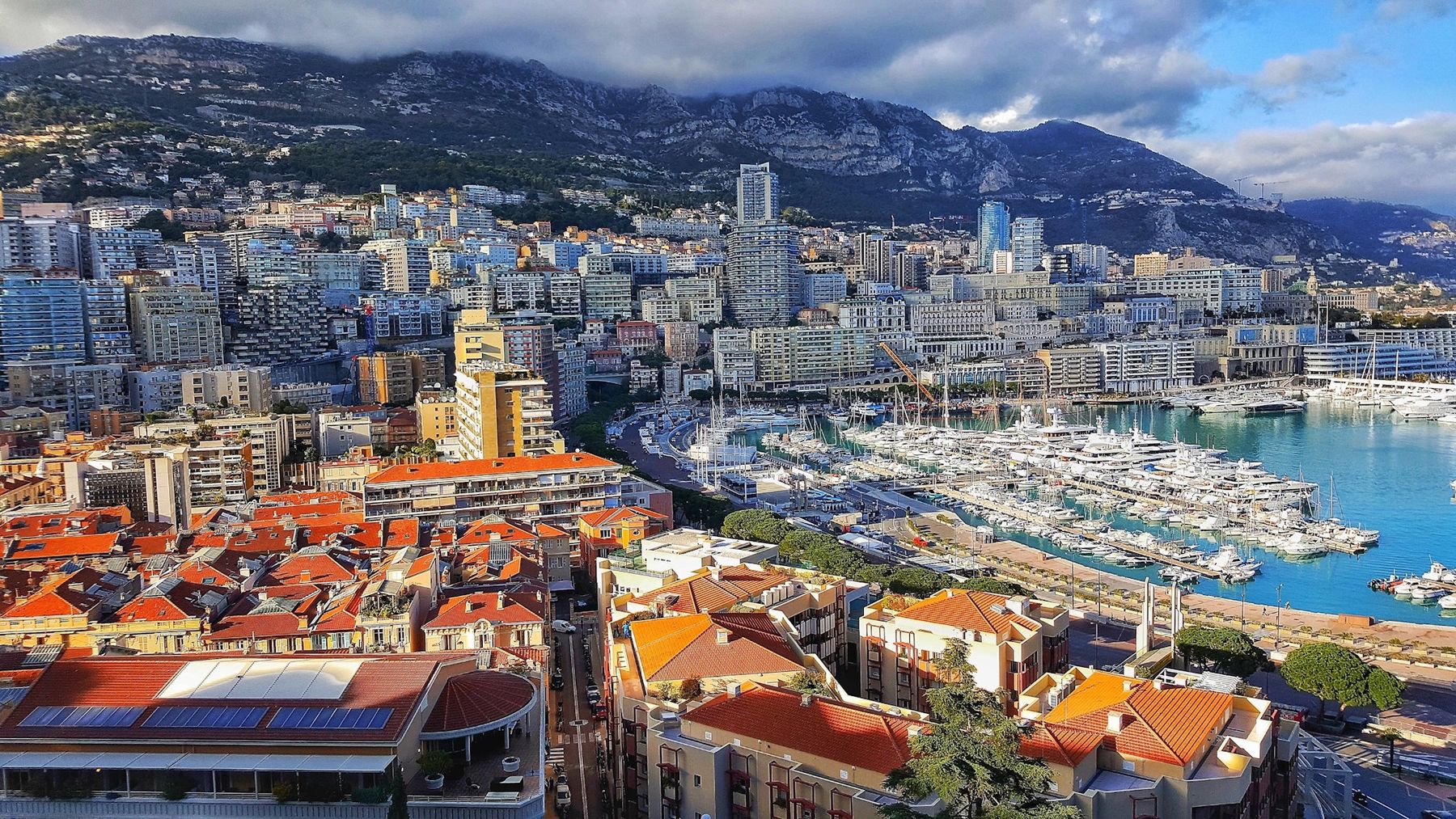
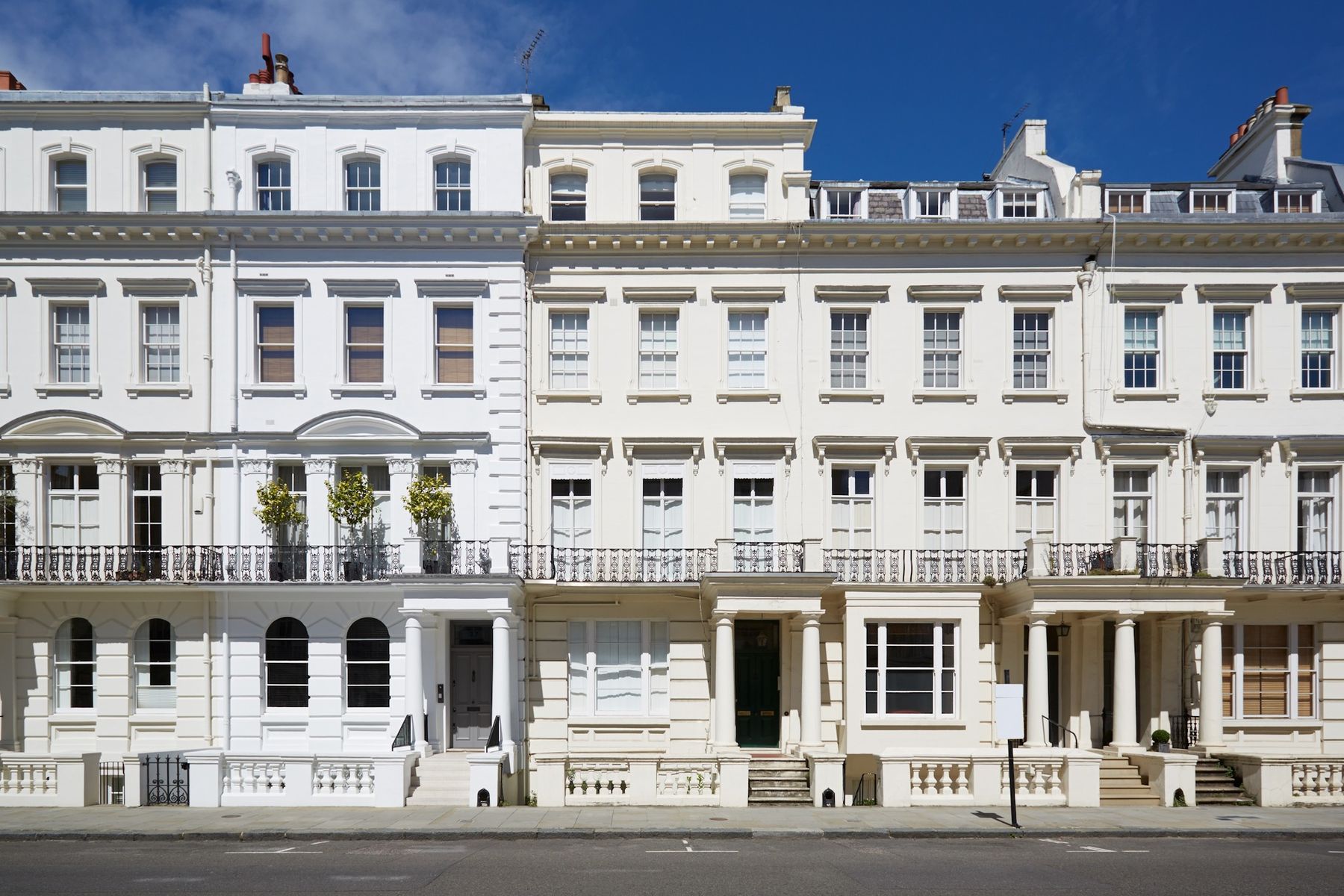
For the first time in four years, prices in prime central London have gone up. Not by much: Knight Frank recorded a 0.3% rise in the quarter to September, leaving values 2% lower than a year ago. But in a market that has spent most of the past decade drifting downwards, a small number with a plus sign in front of it matters. Buyers, as the agency put it, are sensing value.
The more striking change is at the very top. After two difficult years, the £15m-plus end of the market has come back to life, led by American and Gulf money.
From exodus to bargain-hunting
To understand the recovery, start with how bad things got. When the UK scrapped non-dom status in April 2025, a wave of wealthy residents put their London homes up for sale and left. According to Beauchamp Estates data reported by City AM, seven in ten sellers of £15m-plus homes in 2025 were non-doms moving abroad, most of them to Dubai, with others choosing Milan and Monaco. In the first half of that year, sales above £15m totalled £694m, down from £795m a year earlier and £1.1bn in the first half of 2023.
That supply had to go somewhere. Prices in the most international postcodes fell hard: by the start of 2026, Coutts put Chelsea 23% below its peak and South Kensington 22% below. Across prime London, the average buyer was negotiating almost 12% off the asking price, the biggest discount in seven years, and eight in ten homes were selling for less than they were listed at.
Discounts like that eventually attract a different kind of buyer.
Who is buying now
Beauchamp's latest Billionaire Buyers in London survey, reported in July, counted 34 sales above £15m in the first half of 2026, worth £1.24bn in total. That is a 79% jump in value on the same period of 2025, and the average deal rose from about £25.7m to £36.5m.
Two groups did most of the buying:
- Americans accounted for 30% of £15m-plus purchases, up from 20% at the end of 2025, much of it wealth made in technology.
- Gulf and Middle Eastern buyers made up another 25%. Conflict in the region has pushed capital towards assets seen as safe, and London property has long been one of them.
Together the two groups bought around £682m of property in six months. There is a neat irony in that: some of the homes being sold by Londoners leaving for the Gulf are being bought by buyers from the Gulf.
Their taste is classic. Belgravia led with nine deals, followed by St John's Wood and Chelsea with five each, and freehold houses outsold apartments three to one. The headline transactions were enormous: Providence House in Chelsea, which Beauchamp put at £275m, and The Holme in Regent's Park at £195m.
The wider market is steadier, not booming
It would be easy to read too much into a handful of trophy sales. Further down the price ladder the picture is calmer. Knight Frank found exchanges across prime central and prime outer London were 2.5% lower in the year to September than in the previous twelve months, a big improvement on the 14% annual drop recorded in March. Prices in prime outer London haven't moved by more than 1% in either direction since May 2025.
Above £10m, the agency counted 121 transactions in the year to September, exactly matching the previous year, but total spending rose 14% to £2.4bn. In other words, roughly the same number of buyers are spending noticeably more per home.
Coutts' description from earlier in the year still fits: a market that is balanced rather than buoyant. Even after the latest rise, Knight Frank estimates prime central London prices remain about 22% below their August 2015 peak.
What could change the mood
Much of this recovery has been built on the absence of bad news.
That is essentially Knight Frank's argument, and it cuts both ways. Mortgage rates fell towards 3.5% early in the year, rose to around 4.5% after conflict broke out in March, and edged up again in September. Two dates now loom large:
- The UK Budget on 28 October. Any further changes to property, inheritance or wealth taxes would land directly on this market, and last year's Budget uncertainty froze activity for months.
- The US elections on 3 November. With Americans now the single biggest buyer group at the top end, the mood in Washington matters more to Belgravia than it used to.
The takeaway
London's prime market hasn't returned to its old self, and it may not need to. The buyers who left were replaced, eventually, by buyers who had been waiting for prices to fall. A decade of falling values has made the city look good value to international money, especially in dollars. For sellers, the lesson of the past two years still applies: price realistically, because buyers are back but they are not overpaying. For buyers, the window of the deepest discounts may be starting to close.
Selling to high-net-worth buyers? Talk to High Net Marketing about marketing, PR and features in HNWI.